Time is the only operational resource that cannot be replenished. Yet, across industries, businesses consistently mismanage how it is measured, analyzed, and optimized.



Time is the only operational resource that cannot be replenished. Yet, across industries, businesses consistently mismanage how it is measured, analyzed, and optimized.

Time tracking gives startups the structure they need to stay organized from day one. By monitoring how time is spent across projects and tasks, founders can improve team accountability, manage resources efficiently, and build scalable workflows that support sustainable growth.
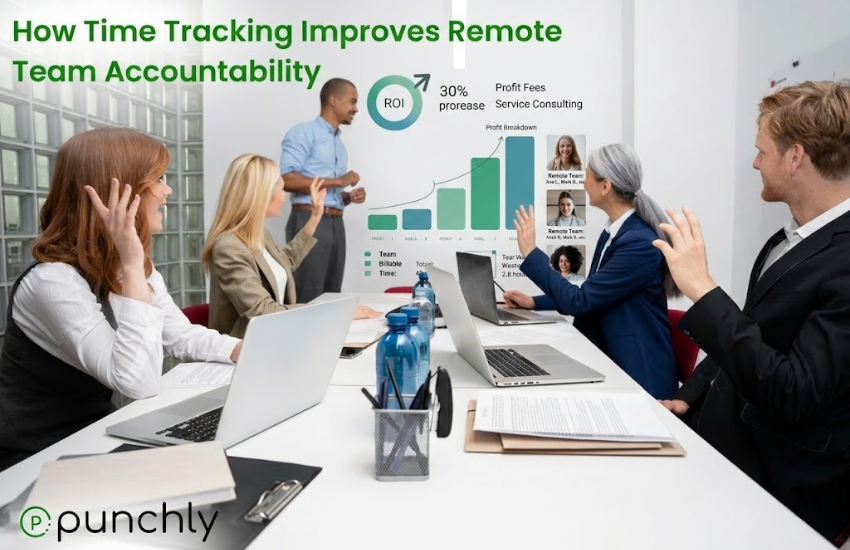
Discover how time tracking helps remote teams stay accountable, improve productivity, and maintain transparency in distributed work environments. Learn practical ways businesses can use time tracking to monitor performance, streamline workflows, and build a culture of trust.
Payroll errors rarely start as major mistakes. They begin with small inconsistencies — a missed clock-in, an incorrectly applied overtime rule, a manual spreadsheet to edit — and gradually compound into financial losses, compliance risks, and employee dissatisfaction.

Time is the only operational resource that cannot be replenished. Yet, across industries, businesses consistently mismanage how it is measured, analyzed, and optimized.

Time tracking software helps businesses track work hours, boost productivity, and manage projects efficiently. This guide explains how it works and why it’s essential for modern teams.

AI is transforming time tracking in 2026—from automatic time capture to intelligent productivity insights. Discover how smarter systems are helping teams work faster, focus better, and make data-driven decisions.