Billable hours: what they are and how to track them
Billable hours are the hours a client pays for. What counts, how to calculate and track them, how they compare with a fixed fee, and mistakes that lose money.

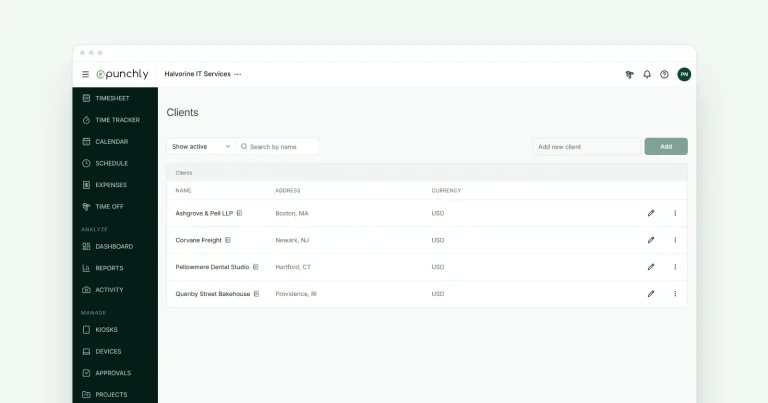
Billable hours are the hours a client pays for. What counts, how to calculate and track them, how they compare with a fixed fee, and mistakes that lose money.
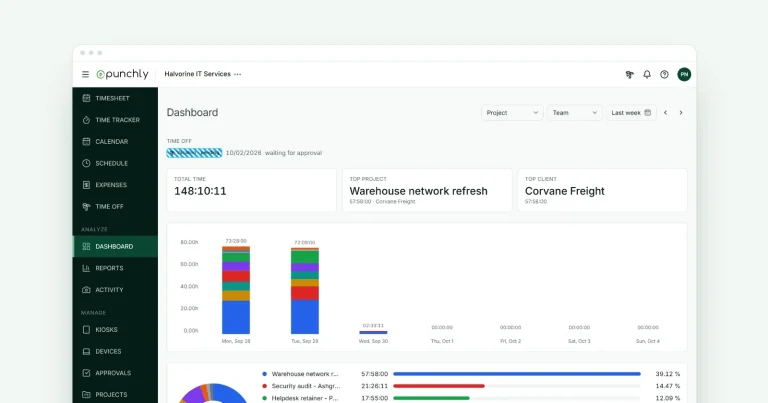
A time audit is a short, deliberate look at where working hours go. Seven steps, a worked example, and the mistakes that make the numbers useless.
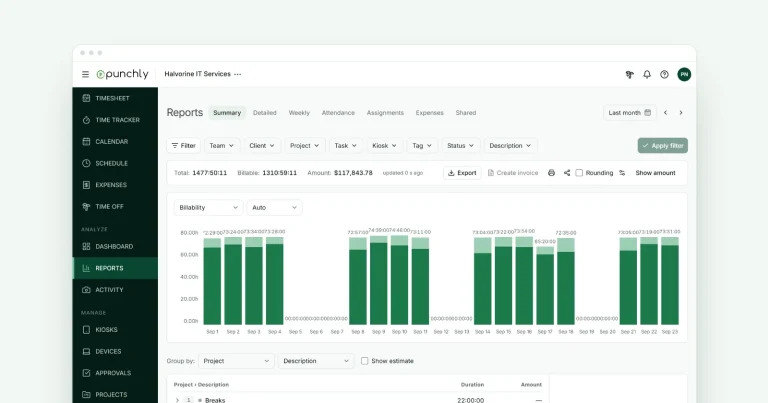
Utilization rate is the share of available hours a client pays for. The formula, a worked example, current benchmarks, and how to measure it from timesheets.
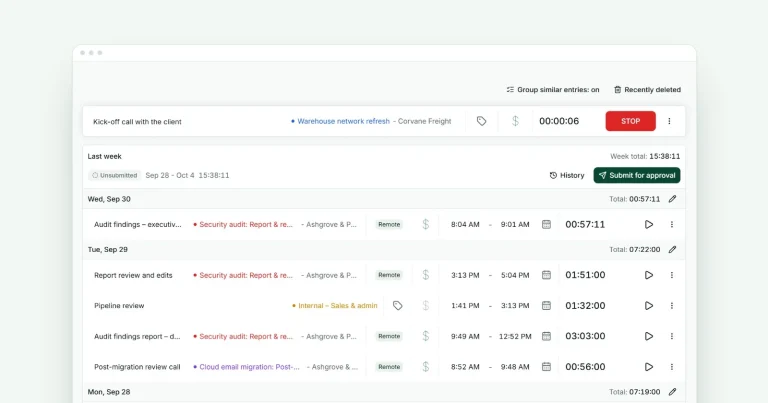
How a small business starts tracking time: what the law asks for, four ways to do it, how to choose, and a 30-day plan that gets the whole team recording.
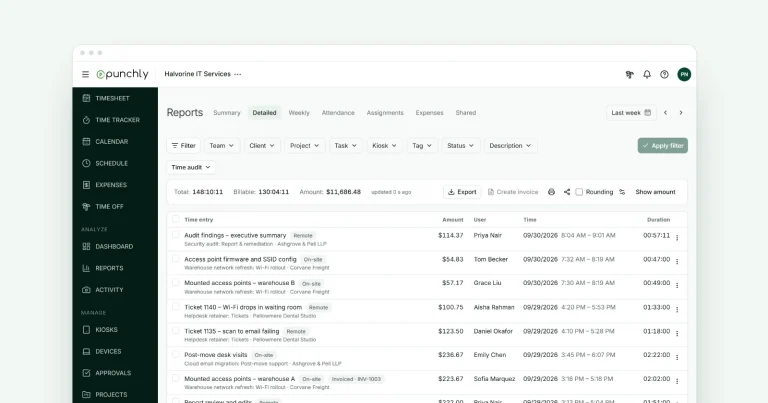
A client time report shows a client where their hours went. What to put in it, a template to copy, how much detail to give, and mistakes that cause disputes.
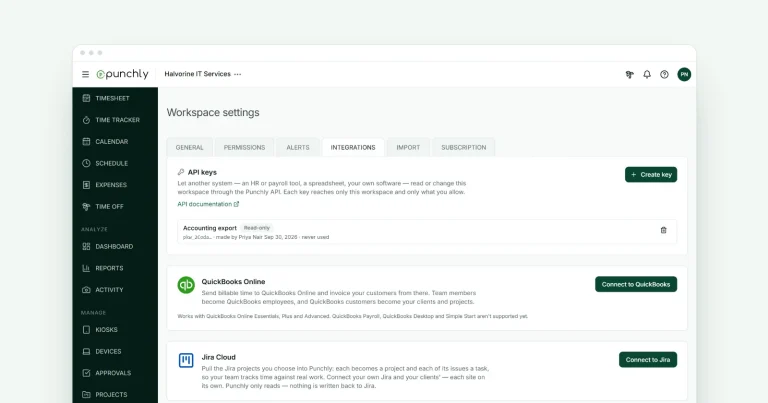
The five kinds of time tracking integration, what each one should do, the questions to ask before you connect anything, and how to test one in an afternoon.
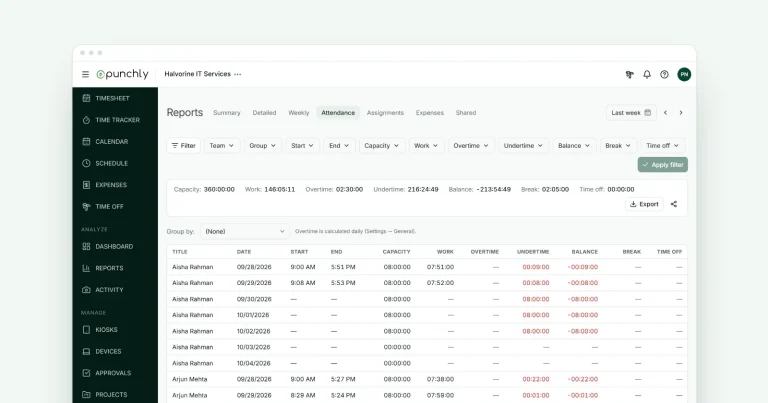
What burnout is, seven signs of overwork that show up in a team’s time records before anyone says a word, and what a manager should and should not do.
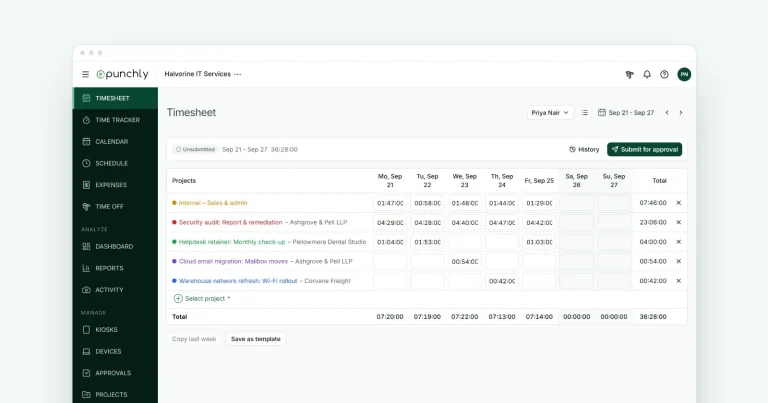
How to track time for a remote or hybrid team: what the research says, what to record, what to leave, five rules that work, and when monitoring is justified.
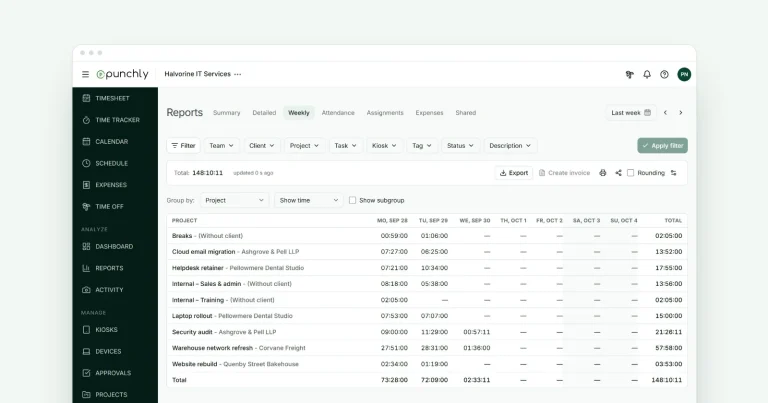
Time records can make a performance review fairer or much worse. What the data shows, five fair uses, five unfair ones, and how to prepare a review with it.
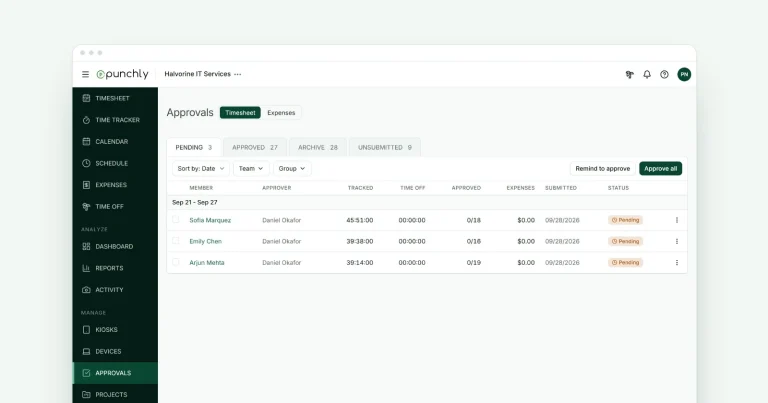
Timesheet fraud is pay claimed for time that was not worked. The common forms, the signs in your records, and seven controls that prevent most of it.