Burnout Before It Breaks You: Using Time Data to Spot Overwork Before It’s Too Late
Introduction: The Silent Threat of Burnout
In today’s fast-paced work environment, employee burnout is more than just a buzzword—it’s a critical operational risk. For startups, agencies, and remote teams, the line between high performance and overwork is incredibly thin. Often, by the time an employee explicitly complains of exhaustion, the damage is already done. Productivity drops, morale plummets, and retention rates suffer.
But what if you could spot the warning signs before the breaking point? By leveraging objective time data, managers can proactively identify overwork and intervene with empathy. This guide will show you how to use employee management software features to turn raw data into actionable insights for a healthier, more sustainable workplace.
FAQ: Understanding Burnout & Time Data
The Metrics That Matter: Identifying Overwork Using Time Data
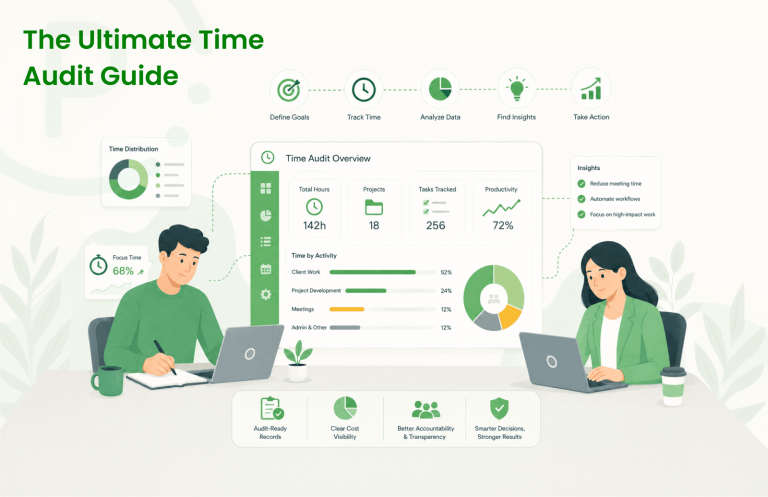
Identifying overwork isn’t about micromanagement; it’s about workload visibility. Here are the key metrics you should monitor within your time tracking software.
Excessive Overtime and Long Shifts
If a team member consistently logs more than their standard hours, they are at high risk. Regularly reviewing timesheets helps managers spot these trends over weeks or months, ensuring that temporary crunches don’t become permanent expectations.
Task Creep and Misaligned Hours
Sometimes, overwork happens because an employee is bogged down by administrative creep. By encouraging your team to log time by task, you can see if high-value employees are spending disproportionate amounts of time on low-impact duties, leading to frustration and exhaustion.
Actionable Steps to Prevent Burnout Before It Happens
Once you spot the data trends, it’s time to act. Here’s how you can use the insights to foster a healthier work culture.
Monitor Workloads via Project Tracking
Distribute workloads evenly by monitoring where the bulk of the hours are going. When you effectively track project time and costs, you can reassign tasks from an overburdened employee to someone with more capacity, keeping the project on track without sacrificing your team.
Encourage Necessary Breaks and Time Off
A culture that normalizes rest is a resilient one. If you notice an employee hasn’t taken a break in months, step in. Use your system to seamlessly manage leave requests and proactively encourage your team to unplug and recharge.
Use Data for Constructive Check-Ins
Don’t wait for annual reviews. Use the ability to generate detailed time and activity reports to guide one-on-one meetings. Approach these conversations with empathy: “I noticed you logged 50 hours last week. How can we better support you?”
Conclusion: Turn Time Data into a Tool for Empathy
Time tracking should never be a tool for surveillance; it should be a mechanism for support. By understanding how your team spends their time, you can step in before overwork transforms into full-blown burnout. Punchly provides the comprehensive visibility you need to protect your most valuable asset: your people. From managing timesheets and tracking projects to generating insightful reports, Punchly equips modern teams, startups, and agencies with an intuitive platform to ensure sustainable productivity. Don’t wait until the breaking point. Create a healthier workplace today.
Ready to see what your team’s time is actually telling you? Explore these resources:
- Time Tracker — Real-time hour logging for individuals and teams
- Timesheets — Automated weekly summaries for payroll accuracy
- Project Time Tracking — Billable vs non-billable clarity by project
- Team Management — Workforce visibility across all locations and models
- Reports & Analytics — Data-driven insights for better workforce decisions
- Expense Tracking — Reconcile work expenses with project time in one platform
- Approval Workflows — Ensure timesheet accuracy before payroll processing